
News
Russia Moves to Block WhatsApp, Tightens Grip

Russia has moved to block WhatsApp in a sweeping new step that tightens its grip on online communication, pushing millions toward state backed apps and raising fresh fears about digital freedom.
The Russian government’s latest action against WhatsApp marks a sharp turn in its long running campaign to control foreign tech platforms. The move comes as officials ramp up pressure on services they say do not comply with local law.
Russia block WhatsApp as crackdown grows
Russia block WhatsApp efforts intensified this week after the country’s internet watchdog removed key WhatsApp domains from the National Domain Name System. The regulator, Roskomnadzor, said the decision aimed to fight crime and fraud.
In simple terms, removing whatsapp.com and web.whatsapp.com from domestic routing systems means users inside Russia cannot reach the service through normal internet settings. Only those using virtual private networks, known as VPNs, or outside domain resolvers can still access it.
For most users, the change effectively cuts off WhatsApp without an official nationwide ban being announced.
Russian media reported that more forceful measures are now underway, with authorities attempting to fully block the app across networks.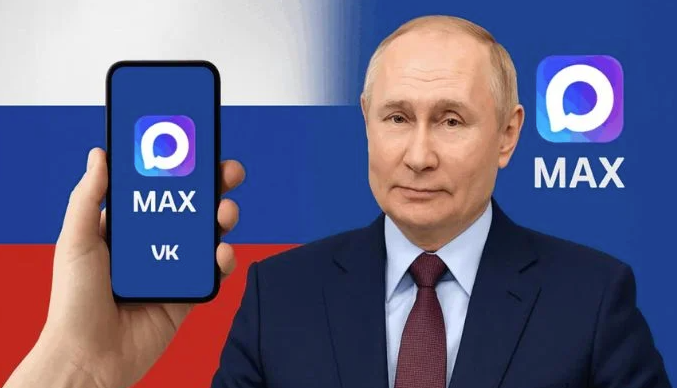
WhatsApp calls move a backwards step
WhatsApp confirmed the action on X and called it a backwards step that can only lead to less safety for people in Russia.
The company said it would continue doing everything it can to keep people connected. WhatsApp, owned by Meta, has faced growing legal and political pressure in Russia since 2022, when authorities labeled its parent company an extremist entity.
That designation already limited Meta’s operations in the country. Facebook and Instagram faced restrictions earlier, and WhatsApp has operated under increasing strain ever since.
Earlier limits on calls and new accounts
The current attempt to block WhatsApp did not come out of nowhere.
In August 2025, Roskomnadzor began throttling WhatsApp voice and video calls. Throttling means slowing down traffic so calls become unstable or fail.
In October 2025, authorities reportedly tried to block new user registrations on the app. These steps signaled a clear pattern:
First slow down key features
Then restrict growth
Now move to full blocking
Presidential press secretary Dmitry Peskov said officials remain open to allowing WhatsApp to operate if Meta complies with Russian law. He did not specify what changes would be required, but Russia has long demanded that foreign tech firms store user data locally and remove content the government deems illegal.
Telegram also hit as MAX app pushed
The pressure is not limited to WhatsApp. Telegram was also reportedly throttled earlier this week in Russia.
Telegram founder Pavel Durov said authorities are trying to steer citizens toward MAX, a state backed messenger developed by VK.
MAX has become mandatory on all electronic devices sold in Russia since September 2025, according to local regulations. Officials promote the app as a secure national alternative that protects communications from foreign surveillance.
Independent reviewers, however, have raised concerns about:
Possible weaknesses in encryption
Broad government access to data
Extensive data collection practices
The battle over WhatsApp is part of a wider push to shift Russians onto platforms the Kremlin can oversee more directly.
What this means for users in Russia
For now, many Russians can still access WhatsApp and Telegram through VPN services. A VPN routes internet traffic through servers outside the country, helping users bypass local blocks.
But VPN tools have also faced tighter scrutiny in recent years. Authorities have moved to block or restrict several VPN providers that refuse to comply with state rules.
The result is a shrinking space for private online communication.
Below is a simple look at the recent timeline:
| Date | Action Taken |
|---|---|
| August 2025 | WhatsApp voice and video calls throttled |
| October 2025 | New user registrations targeted |
| February 2026 | Domains removed from national DNS |
| February 2026 | Reports of full blocking attempt |
Russia has steadily expanded digital controls over the past few years. Officials argue these measures protect national security and prevent fraud. Critics say they limit free speech and isolate citizens from global platforms.
For everyday users, the impact is immediate. Business owners who rely on WhatsApp for client communication may need to switch apps. Families who use it to stay in touch across borders may face new hurdles. Students and workers who depend on group chats and calls could see disruptions.
The decision to block WhatsApp signals that Russia’s internet is becoming more closed and more tightly managed than ever before.
Whether Meta chooses to meet Russian demands remains unclear. For now, millions of users are left navigating a shifting digital landscape, where access to global platforms can change overnight.
The bigger question is not just whether Russia block WhatsApp fully succeeds, but how far the country will go in reshaping its online space.
What do you think about this latest move to block WhatsApp in Russia? Does it improve security or limit freedom? Share your thoughts and pass this story along to your friends on social media.


Nvidia Hits Record $81.6B Revenue as AI Demand Goes Parabolic

XRP in 2026: Can It Reach 3orIsa3 or Is a3orIsa1 Drop Coming?

Blake Lively Makes Bold Return After Lawsuit Settlement

Healthcare Fund Dumps $139M Into BitGo in Bold Pivot

INTERPOL Operation Ramz Arrests 200 Suspects, Seizes 53 Cybercrime Servers

Billie Eilish Shares Sweet Justin Bieber Throwback Photos

Claude.ai Chats Hijacked to Push Dangerous Mac Malware

Shiba Inu Coin Supply Problems Kill Hopes for Higher Prices

West Pharma Cyberattack: Hackers Steal Data, Lock Systems

Owen Cooper Makes BAFTA History With a Beatles Speech

 News1 year ago
Taiwanese Companies Targeted in Phishing Campaign Using Winos 4.0 Malware
-
 News1 year ago
Machine Gun Kelly Resurfaces at Coachella in Dazzling Style After Welcoming Baby Girl with Megan Fox
- News1 year ago
Justin Baldoni Hits Back at Ryan Reynolds, Calling Him a “Co-Conspirator” in Blake Lively Legal Battle