
News
Jacob Elordi and Margot Robbie Face Backlash Ahead of Wuthering Heights Release

A film meant to sell dark romance is already stirring real world drama. Jacob Elordi and Margot Robbie are facing growing backlash just weeks before the release of their highly anticipated gothic romance, Wuthering Heights, as fans accuse the stars of pushing an overdone publicity campaign that feels staged rather than sincere.
The controversy has unfolded across talk shows, red carpets, and social media, turning what should have been a quiet awards season buildup into a noisy debate about celebrity promotion and manufactured chemistry.
Wuthering Heights release date and rising expectations
Wuthering Heights, starring Jacob Elordi and Margot Robbie, is scheduled to hit theaters on February 13, 2026, positioning it as a major Valentine season release. The film reimagines Emily Bronte’s classic novel for a modern audience while staying rooted in its gothic core of obsession, love, and emotional cruelty.
The casting alone sparked early excitement. Elordi, coming off intense dramatic roles, steps into the brooding lead, while Robbie, one of Hollywood’s most bankable stars, anchors the film with her first full gothic romance performance. Industry watchers see the film as a prestige project with awards potential if it connects with audiences.
That anticipation has now collided with skepticism, as attention shifts from the film itself to the behavior of its stars during promotion.
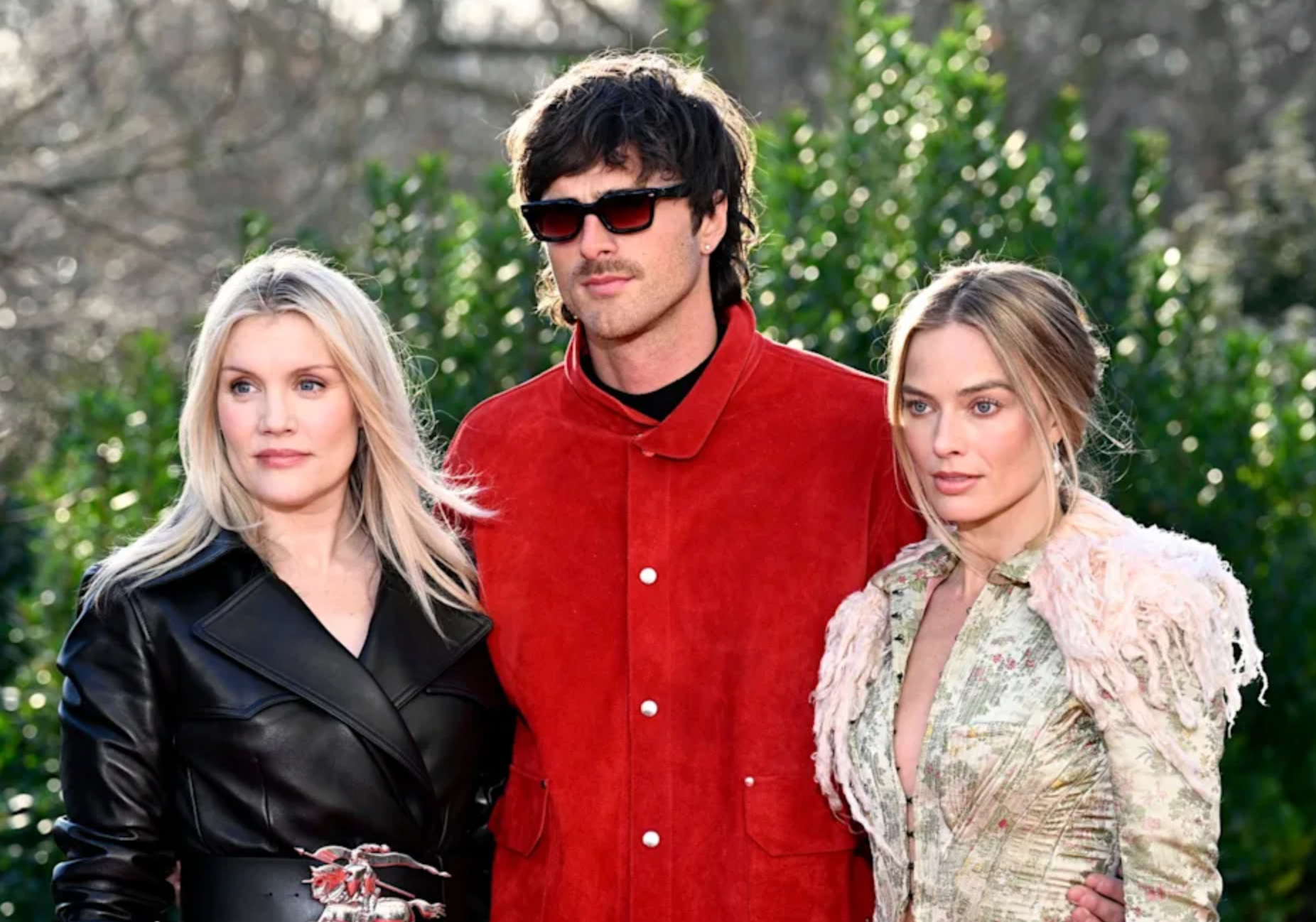
Graham Norton appearance fuels chemistry debate
The current backlash gained momentum after previews surfaced from an upcoming episode of The Graham Norton Show, set to air on Friday, February 6. Short clips from the yet to be released episode show Elordi and Robbie exchanging playful remarks, lingering glances, and openly teasing each other in a way that fans quickly labeled as flirtatious.
One short clip alone generated thousands of reactions within hours.
Some viewers praised the natural ease between the two actors, calling it proof of strong on screen chemistry. Others were far less convinced, arguing the interaction felt rehearsed and carefully timed to spark headlines ahead of the Wuthering Heights release.
What might have passed as harmless banter instead reopened a larger debate about how far actors should go to sell romantic films.
Comments from set add fuel to the fire
The scrutiny did not come out of nowhere. Over the past month, both Elordi and Robbie have made comments about their bond during filming that now appear, to critics, as part of a coordinated narrative.
In January, Elordi said in an interview that he and Robbie developed a “mutual obsession” while shooting the film, adding that the intensity helped them sink deeper into their characters.
Days later, Robbie described the experience in even more personal terms. She said she became “co dependent” on Elordi during production, explaining that the emotional weight of the story blurred the lines between work and personal connection.
For some fans, these remarks deepened interest in the film. For others, they raised red flags.
One longtime fan wrote that the language felt “too personal for a press tour,” while another questioned why such intimacy needed to be highlighted at all.
Matching rings spark PR speculation
Speculation reached a new level on January 29, when Elordi and Robbie appeared together wearing matching signet rings during a public outing. The rings were later described as keepsakes made to commemorate their time working on Wuthering Heights.
The detail quickly went viral.
Social media users dissected photos, compared angles, and debated whether the rings symbolized a deep personal bond or a calculated promotional move. The timing, just weeks before the film’s release window, only intensified the suspicion.
In the age of hyper aware audiences, even symbolic gestures are now treated as marketing signals.
Social media backlash and comparisons to past campaigns
Online reaction has been sharp and often unforgiving. Several users accused the actors and their teams of following a familiar Hollywood formula that blurs fiction and reality to sell romance.
One widely shared comment read, “They are going way too hard with this film promotion. This is exactly like Sydney Sweeney and Glen Powell. It’s all marketing.”
Another user said the pair were “overdoing it to sell their chemistry,” while a third argued that if Wuthering Heights is genuinely strong, such tactics should not be necessary.
These comparisons highlight a broader fatigue among audiences. Recent years have seen multiple film promotions lean heavily on rumored romances, playful ambiguity, and viral moments designed to drive clicks.
What once felt clever now risks feeling predictable.
How this impacts the film itself
For the studio behind Wuthering Heights, the backlash presents a delicate problem. Attention is good, but distrust is not.
Romantic films rely on audiences believing in emotional truth. When viewers begin questioning whether chemistry is authentic or staged, it can undercut the very foundation of the story.
At the same time, controversy often drives curiosity. Some viewers who might have skipped the film are now paying closer attention simply to see whether the on screen relationship lives up to the hype.
The line between harmful backlash and beneficial buzz is thin, and the outcome often becomes clear only after opening weekend.
A familiar tension in modern film promotion
The situation surrounding Elordi and Robbie reflects a larger shift in how audiences engage with celebrity culture. Fans today are more media savvy, quicker to spot patterns, and more vocal when they feel manipulated.
Studios still depend on star power, but the rules have changed. Authenticity, or at least the appearance of it, has become as important as exposure.
This tension leaves actors in a difficult position. Promote too softly and risk being ignored. Promote too aggressively and face accusations of insincerity.
Wuthering Heights has now become a case study in that balancing act.
What comes next as release day nears
With the February 13 release date approaching, the focus will soon shift from interviews and appearances to early reviews and audience reactions.
If the film delivers a compelling and emotionally grounded story, much of the current criticism may fade quickly. Strong performances and faithful storytelling have a way of silencing doubts.
If it falls short, however, the promotional backlash could harden into a lasting narrative about style over substance.
Either way, Jacob Elordi and Margot Robbie have ensured that Wuthering Heights will arrive with more eyes on it than anyone expected.
The question now is whether the film itself can carry the weight of that attention.
Do you think stars should lean into personal chemistry to promote romantic films, or has Hollywood pushed that strategy too far? Share your thoughts and pass this story along to friends who are watching this release closely.


Spain Science Ministry Shuts IT Systems After Cyberattack Claim

Jacob Elordi and Margot Robbie Face Backlash Ahead of Wuthering Heights Release

Ether Price Outlook: Why Ethereum Still Has Huge Upside

Illicit Crypto Crime Hits Record $158B in 2025 After Years of Decline

Deanne Lane Dies at 65, Emmy Winning KSDK News Icon

Rumors Ignite: Witcher 3 DLC Eyes 2026 Zerrikania Quest

Bitcoin’s Quantum Crisis: Risks and Rivals Loom in 2026

XRP vs Dogecoin: Which Crypto Could Mint Millionaires in 2026?

OpenAI Rolls Out $8 ChatGPT Go Plan in US with Big Perks and Ads

CISA Axes 10 Emergency Directives in Bold Cyber Overhaul

 News11 months ago
Taiwanese Companies Targeted in Phishing Campaign Using Winos 4.0 Malware

 News12 months ago
Apple Shuts Down ADP for UK iCloud Users Amid Government Backdoor Demands
-
 News10 months ago
Justin Baldoni Hits Back at Ryan Reynolds, Calling Him a “Co-Conspirator” in Blake Lively Legal Battle