News
Massive TriZetto Data Breach Hits 3.4 Million Patients

Millions of Americans are waking up to a nightmare scenario involving their most sensitive medical secrets. A massive security failure at healthcare IT giant TriZetto has exposed the personal records of over 3.4 million patients. The most alarming detail is not just the theft itself. It is how long hackers roamed the system unnoticed before anyone realized the digital vault doors were wide open.
A Year of Silent Access
The scope of this digital intrusion is staggering. TriZetto Provider Solutions is a major player in the healthcare industry. They handle the software and services that connect hospitals and doctors with insurance companies. When their systems are compromised, the ripple effect touches millions of unsuspecting patients.
According to official filings submitted to the Maine Attorney General, the breach was not a quick smash and grab operation. It was a long and silent siege. The company investigation revealed that unauthorized access to their systems began way back on November 19, 2024. The hackers maintained this access for nearly an entire year.
Security teams at TriZetto only detected suspicious activity on their web portal on October 2, 2025. This means cybercriminals had unfettered access to sensitive patient data for almost 11 months before the company locked them out.
This massive gap between the initial break in and the discovery is causing serious concern among privacy advocates. During this time, the intruders were able to look at records related to insurance eligibility. These are the transactions doctors use to check if a patient is covered before they provide treatment.
Personal Identity Information Exposed
The data stolen in this attack goes far beyond simple email addresses. The compromised information includes the core components of a person’s digital identity. For criminals, this type of data is a goldmine. It allows them to commit identity theft or file fraudulent medical claims that can ruin a patient’s credit score and medical history.
While the specific data varies from person to person, the exposed information includes a mix of highly sensitive details.
- Full Names and Physical Addresses: Basic contact info that helps verify identity.
- Social Security Numbers: The holy grail for identity thieves.
- Medical Identifiers: This includes Medicare beneficiary numbers and health insurance member numbers.
- Treatment Context: Names of healthcare providers and insurers.
- Detailed Records: Dates of birth alongside demographic and health information.
TriZetto has stated that financial information was not part of this leak. Credit card numbers and bank account details appear safe for now. However, the loss of Social Security numbers combined with medical history is arguably more dangerous. You can cancel a credit card in minutes. You cannot easily change your Social Security number or erase your medical history.
The Long Road to Notification
One of the most frustrating aspects of this breach for patients is the timeline of communication. The company discovered the breach in October 2025. However, the people actually affected by this disaster are only finding out now, months later.
The investigation involved external cybersecurity experts who had to sift through logs to understand what happened. TriZetto alerted the healthcare providers who use their software on December 9, 2025. But individual patients did not start receiving notification letters until early February 2026.
This delay leaves victims in a precarious position. If their data was stolen in late 2024, it has potentially been circulating in the hands of criminals for over a year before the victims knew they needed to lock their credit reports.
Here is a breakdown of the critical timeline regarding this security failure:
| Date | Event Description |
|---|---|
| Nov 19, 2024 | Hackers first gain unauthorized access to TriZetto systems. |
| Oct 02, 2025 | TriZetto detects suspicious activity and begins an investigation. |
| Dec 09, 2025 | Healthcare providers are notified about the breach. |
| Feb 06, 2026 | Notification letters begin going out to affected patients. |
| Mar 06, 2026 | Details of the breach are publicly confirmed in regulatory filings. |
The company has not yet provided a detailed public explanation for why the notification process took several months after the initial discovery. In data breach situations, speed is critical to help victims protect themselves.
Corporate Response and History
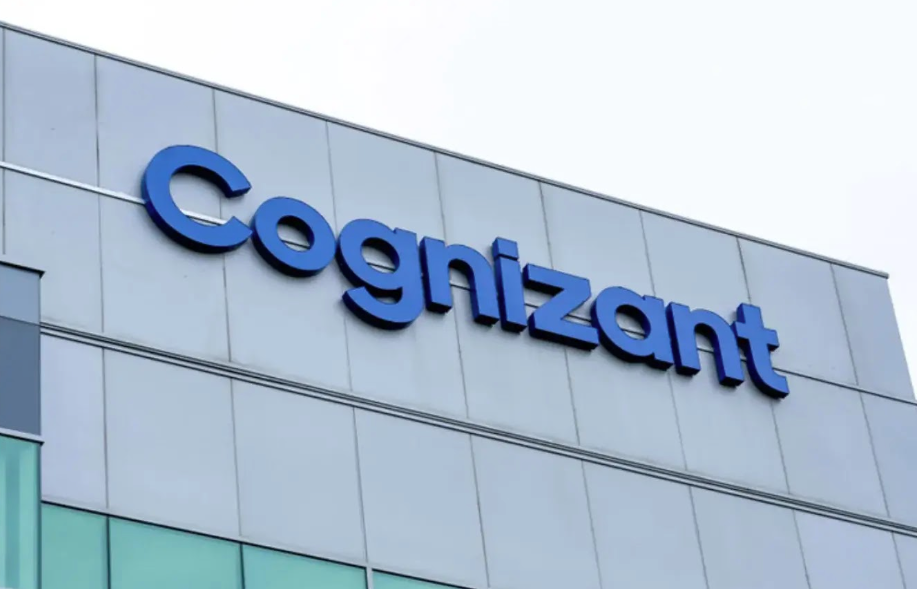
TriZetto, which operates under the corporate umbrella of Cognizant, says they have taken steps to harden their defenses. They have also informed law enforcement about the incident. To help the 3.4 million victims, the company is offering a free 12-month membership for identity protection services through Kroll. This service includes credit monitoring to spot any new accounts opened by fraudsters.
This is not the first time the parent company has faced security scrutiny. Cognizant dealt with a ransomware attack years ago that disrupted services for clients. More recently, other major companies have sued the IT firm alleging negligence in security practices.
While TriZetto states they are not aware of any specific misuse of this stolen data yet, that offers little comfort. Data stolen in breaches often sits in reserves on the dark web before being sold in bulk. The absence of immediate fraud does not mean the data is safe; it simply means the criminals might be waiting for the right buyer.
Patients receiving these notification letters need to act immediately. The combination of a Social Security number and medical data is enough for a criminal to assume a person’s identity completely. They can get prescription drugs, surgery, or medical devices in the victim’s name. This creates a messy medical record that can affect future life insurance policies or medical care.
The scale of this breach serves as a stark reminder of the vulnerabilities in the healthcare supply chain. When one vendor falls, millions of patients pay the price with their privacy.
We want to hear from you. Are you concerned about how healthcare companies handle your private data? Do you think companies should be fined for delaying notifications to victims? Share your thoughts in the comments below and share this story with your friends on social media to spread awareness.


Massive TriZetto Data Breach Hits 3.4 Million Patients

Daryl Hannah Blasts JFK Jr. TV Show for Spreading Lies

Gold Prices Hit Record Highs: Is Crypto The Better Buy Now?

New Windows 11 Update Locks Batch Files and Fixes Audio Sharing

Robert Carradine Death Ruled Suicide After 20 Year Bipolar Battle

Spain Science Ministry Shuts IT Systems After Cyberattack Claim

Jacob Elordi and Margot Robbie Face Backlash Ahead of Wuthering Heights Release

Sydney Sweeney Faces Legal Heat Over Hollywood Sign Stunt

Ether Price Outlook: Why Ethereum Still Has Huge Upside