
News
New LOTR Films Spark Calls for Beloved PS2 RPG Sequel

Warner Bros. is prepping new Middle-earth movies, but the real treasure fans desire isn’t on the silver screen. For many gamers, the true return to greatness lies in reviving a cult classic PlayStation 2 RPG. While the film industry doubles down on prequels and spinoffs, a forgotten masterpiece gathers dust, waiting for a chance to shine on modern consoles.
New Movies Revive Nostalgia for Classic Gaming
The entertainment world is buzzing with news that The Lord of the Rings franchise is expanding once again. Fans are bracing for two major film projects in the near future. One will focus on the twisted creature Gollum, while another project involves superfan Stephen Colbert writing a story centered on the four famous hobbits. This second film reportedly acts as a bridge between life in The Shire and their fateful meeting with Aragorn, covering events that the original blockbuster trilogy skipped.
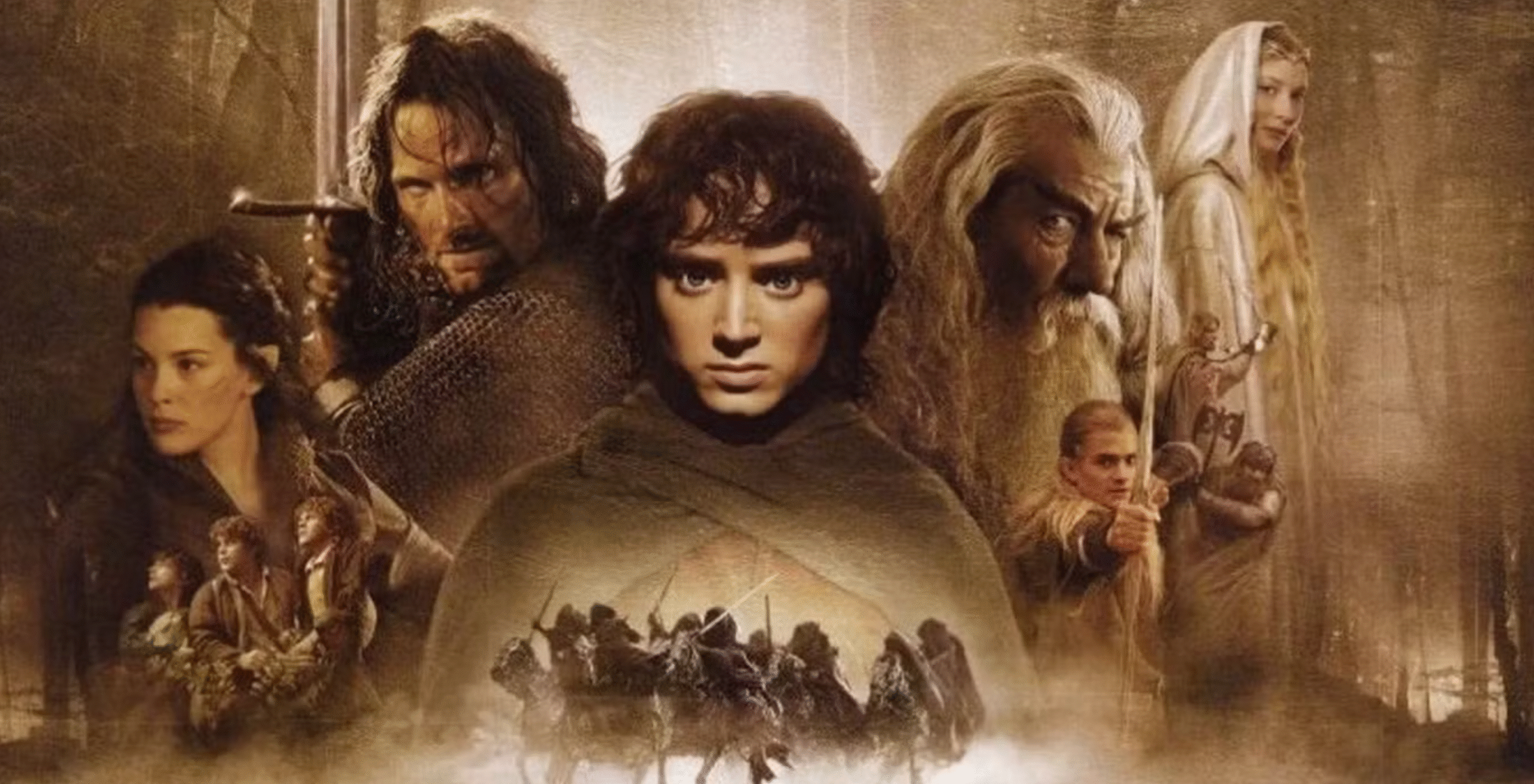
This surge of new content has done more than just excite moviegoers. It has triggered a massive wave of nostalgia for the golden era of video game tie-ins. Specifically, it has reminded everyone of Electronic Arts’ masterpiece, The Lord of the Rings: The Third Age.
Released in 2004, this game took a bold risk. While other titles like The Return of the King focused on fast-paced hack-and-slash action, The Third Age slowed things down. It offered a deep, turn-based role-playing experience that mirrored the best mechanics of the genre. With the franchise entering a new era on film, the time is perfect to revisit this unique approach to interactive storytelling.
Why The Third Age Gameplay Remains Unmatched
The magic of The Third Age lies in how it handles the lore. The game runs parallel to the film trilogy but follows a separate group of heroes. This allowed the developers to take creative liberties that the main films could not touch. Players could explore “what-if” scenarios that added fresh excitement to familiar story beats.
For instance, the game changes history by allowing a full party of heroes to help Gandalf fight the Balrog, turning a duel into an epic team battle.
This was not meant to replace the canon story. Instead, it gave fans a new way to interact with the world. The standout feature was undoubtedly the combat system. It borrowed heavily from titans of the genre like Final Fantasy X. This decision was ingenious. It turned a movie license game into a legitimate strategy experience.
Here is why The Third Age stands out against other movie games:
| Feature | Typical Movie Games | The Lord of the Rings: The Third Age |
|---|---|---|
| Combat Style | Button-mashing action | Strategic turn-based battles |
| Story Focus | Strictly follows the movie script | unique parallel storyline |
| Character Depth | Fixed hero abilities | Deep skill trees and gear customization |
| Pacing | Fast and linear | Methodical and exploratory |
This distinct style is why the game holds up so well today. It requires thought and planning rather than just quick reflexes. Even for those who are not die-hard fans of the books, the game offers a solid RPG loop that is incredibly satisfying to play.
Modern Consoles Need a Turn Based Middle Earth Adventure
The tragic reality is that The Third Age is currently stuck on old hardware. Unlike other classics that receive HD remasters, this title has not been re-released for modern platforms like the PlayStation 5 or Xbox Series X. This feels like a missed opportunity, especially given the current state of Lord of the Rings gaming.
Recent attempts to capitalize on the brand have been disappointing. The release of The Lord of the Rings: Gollum was a critical and commercial failure. It showed that simply slapping the brand name on a game is not enough. Fans want quality. They want depth.
A modern sequel or reimagining of The Third Age could fill this void perfectly. With the right team, a new turn-based Middle-earth game could be the franchise’s answer to Hogwarts Legacy.
Imagine a game built with today’s graphics engines that keeps the core turn-based mechanics. It could offer:
- Massive, detailed environments to explore beyond the linear paths of the 2004 original.
- A new cast of characters with their own unique backstories and skill trees.
- Expanded lore that digs deeper into the history of Middle-earth.
If a full sequel is too much to ask, a simple remaster would suffice. Giving the original game a visual polish and making it playable on current systems would be an instant win. It would preserve a piece of gaming history and introduce a new generation to one of the best adaptations ever made.
The enthusiasm for the franchise is clearly alive. As Hollywood prepares to take us back to Middle-earth, the gaming industry should follow suit. We do not need another generic action game. We need the return of the tactical, thoughtful, and epic adventure that The Third Age provided.


Anna Wintour’s Daughter Splits After Met Gala Red Carpet

Funnel Builder Plugin Flaw Lets Hackers Steal Credit Cards

Dua Lipa Drops $15M Lawsuit Bomb on Samsung

Solana Rebounds: Is SOL Worth Buying in 2026?

West Pharma Cyberattack: Hackers Steal Data, Lock Systems

Shiba Inu Coin Supply Problems Kill Hopes for Higher Prices

Claude.ai Chats Hijacked to Push Dangerous Mac Malware

Billie Eilish Shares Sweet Justin Bieber Throwback Photos

Circle Stock Soars 19% as USDC Volume Triples in Q1

Owen Cooper Makes BAFTA History With a Beatles Speech

 News1 year ago
Taiwanese Companies Targeted in Phishing Campaign Using Winos 4.0 Malware
-
 News1 year ago
Justin Baldoni Hits Back at Ryan Reynolds, Calling Him a “Co-Conspirator” in Blake Lively Legal Battle
- News1 year ago
Machine Gun Kelly Resurfaces at Coachella in Dazzling Style After Welcoming Baby Girl with Megan Fox